

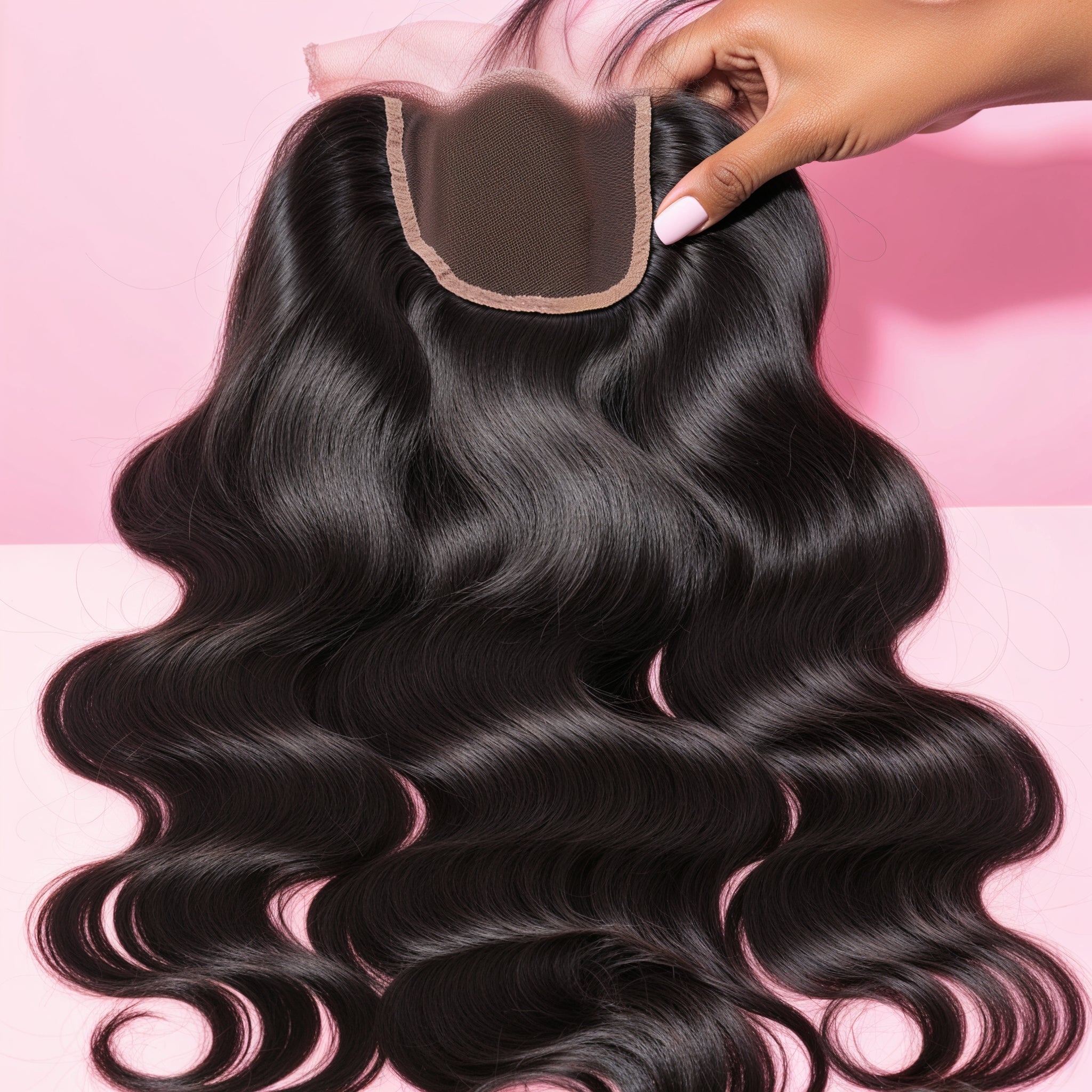
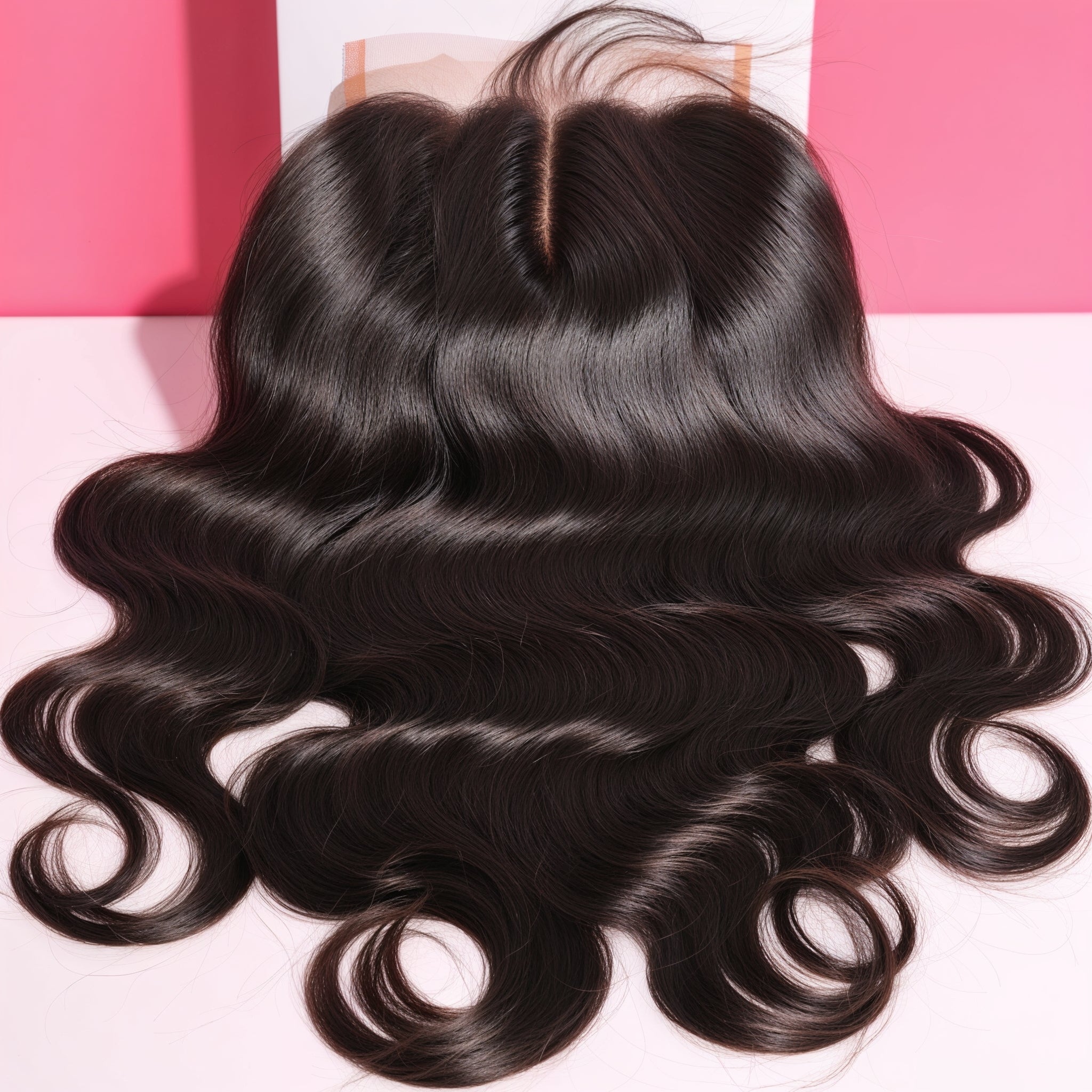
What Are Raw Cambodian Hair Extensions?
You've bought the "virgin" bundles. You've paid the premium price. And by week three, you're standing in the shower watching your $200 investment mat into something that looks less like hair and more like a bird's nest.
Sound familiar?
Here's the part that's going to make you angry: it's not your fault. It was never your technique, your shampoo, or "just how extensions are." You were sold a product engineered to fail — and told it was normal.
There's a reason for that. And once you understand it, you'll never look at a bundle the same way again.
The Industry's Best-Kept Secret
Most of what's labeled "virgin" or "luxury" hair on the market today has been through a process the industry doesn't advertise: acid baths to strip damaged cuticle, silicone coatings to fake shine, and blending from multiple donors to bulk up a bundle cheaply. It photographs beautifully. It feels soft in the package. And it's built on borrowed time.
Here's why that matters more than anyone tells you: hair is covered in microscopic, overlapping scales — like shingles on a roof — that all need to run the same direction for hair to move smoothly and resist tangling. Strip that layer, or mix hair from donors where the scales run in opposite directions, and you've created a countdown clock. Every wash brings you closer to the matting, the dullness, the moment you have to throw the whole thing away.
That's not a flaw in your extensions. That's the business model. Hair that fails fast is hair you have to buy again.
(RELATED: Raw vs. Virgin vs. Remy — What You're Actually Paying For)
What "Raw" Actually Means — And Why So Few Brands Sell It
Raw hair is different, and the difference isn't cosmetic. It's structural.
Raw hair is cut from a single donor, in a single sitting, cuticle fully intact, running root to tip in one direction. Nothing stripped. Nothing coated. Nothing blended in to cut costs. It's the closest thing to wearing your own hair — because in every way that matters, it behaves like it.
Why don't more brands sell it? Because it's slower to source, harder to verify, and impossible to fake. It's far easier to chemically process a cheaper starting product and market it as luxury than it is to trace every bundle back to one real, verified donor.
Glossyfinds does it anyway. Every bundle is sourced directly through temple donations and vetted partners in Cambodia — traceable, single-donor, no anonymous bulk suppliers hiding behind the word "ethical" on a label.
(SHOP: Raw Cambodian Bundles — $XXX at glossyfinds.com)
The Test Every Bundle Should Have to Pass (And Almost None Do)
Ask yourself: does your hair still hold its curl pattern after the fifth wash? The tenth? Because that's the real test — not how it looks fresh out of the bag, but how it holds up under the exact conditions you're going to put it through for months.
Cambodian hair has a texture other origins can't fully replicate: dense, weighty strands with a soft, deep-set natural wave. Left raw and untouched by harsh processing, that wave doesn't just survive washing — it comes back, wash after wash, the same way your own natural texture does. No re-curling before every wear. No guessing whether this is the wash that finally kills the pattern.
Compare that to processed alternatives, where the curl is often heat-set onto the strand rather than natural to it — meaning the very first wash can be the beginning of the end.
(SHOP: Raw Cambodian Deep Wave — $XXX at glossyfinds.com)
Why This Changes the Math Entirely
Here's the number nobody puts on the label: processed extensions are lucky to survive a single season before they're unwearable. Raw Cambodian hair, properly cared for, holds up for a year or more — colored, heat-styled, washed dozens of times — and still moves the way it did on day one.
That's not a small difference. That's the difference between rebuying extensions three or four times a year and buying once.
Engineered to last, wash after wash — because everything that makes it last was decided before you ever touched it: the donor, the cuticle, the sourcing, the complete refusal to cut a corner anywhere in the process.
The Part Where You Have to Decide
You can keep buying hair that's designed to be replaced. Or you can buy hair that was never designed to fail in the first place.
That choice sounds dramatic until you've lived both sides of it — until you've felt the difference between extensions you're managing and extensions you've forgotten you're even wearing, because they simply behave like your own hair. Once you know that feeling exists, it's very hard to settle for anything less.
You already know which side of that you want to be on.
(SHOP: Explore the Raw Cambodian Hair Extensions Collection — glossyfinds.com)
(RELATED: How to Care for Raw Hair Between Washes)


